Why Motion Graphics is a Powerful Tool in Animated Video Production
Audience attention is harder to hold than ever. Static visuals no longer cut it, and long-winded explanations? They get skipped. Instead of dumping information on your audience, give them something visual and dynamic to latch onto. Motion graphics bring animation, design, and storytelling together to turn complex ideas into easy and comprehensible visuals. So, they’re now must-haves in animated video productions. Let’s explore.
What Are Motion Graphics?
Motion graphics are animated elements that bring text, icons, and visuals to life. Unlike traditional animation, which focuses on character-driven storytelling, motion graphics primarily enhance information delivery with movement and design. You see them everywhere—corporate videos, product explainers, social media ads, and even TV commercials.Their flexibility and visual appeal make them an essential part in animated video production, especially when the goal is to communicate information clearly and efficiently.
Different Styles of Motion Graphics in Business Videos
Motion graphics can be applied in different ways depending on the purpose of the video and the type of information being communicated. The style often changes based on whether the focus is on branding, product interaction, data visualisation, or communication clarity.
Logo Animations
Logo animations use movement to introduce or reinforce brand identity. They are commonly used in intros, outros, ads, and branded content to make the brand feel more dynamic and visually recognisable.
UI/UX Animations
These animations are used to demonstrate digital products, apps, platforms, or workflows. UI/UX motion graphics help viewers understand how a product functions by visually guiding them through screens, interactions, and user flows.
Typography Animation
Typography-based motion graphics use animated text as the primary storytelling element. They are effective when the message depends heavily on statements, statistics, announcements, or fast-paced communication.
Infographic Motion Graphics
These styles use animated charts, icons, graphs, and visual systems to simplify complex data or structured information. They are commonly used in presentations, reports, explainers, and business communication.
Motion graphics are often combined with structured storytelling to create clear and visually engaging business communication. This is where a motion graphics explainer video becomes effective, helping brands simplify products, services, workflows, or concepts into content that is easier to understand and retain.
Why Motion Graphics Matter in Animation
1. Improving Visual Engagement
Motion graphics add movement to otherwise static visuals, making content more dynamic and attention-grabbing. Whether it's a sleek logo animation or an infographic coming to life, motion graphics keeps the viewer interested and engaged.
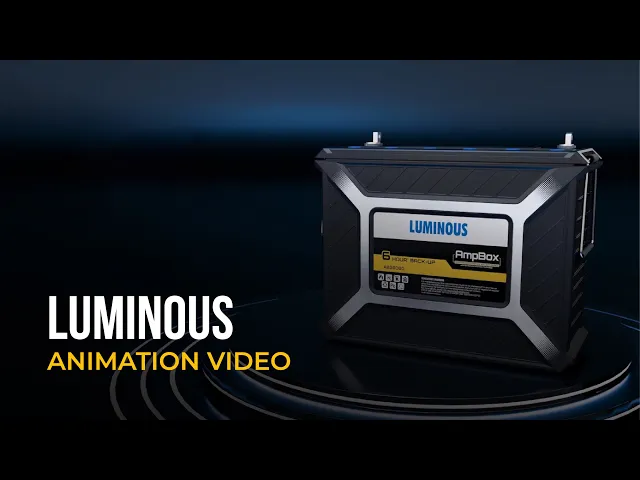
Check out this 3D animated product video we created for our client, Luminous, where we incorporated motion graphics to enhance the logo, elevating the overall look and feel of the video.
2. Simplifying Complex Information
Did you ever struggle to explain a complex idea? Motion graphics break down intricate concepts into digestible visuals. Whether it’s data visualization, step-by-step guides, or technical processes, animated graphics make information easier to understand.
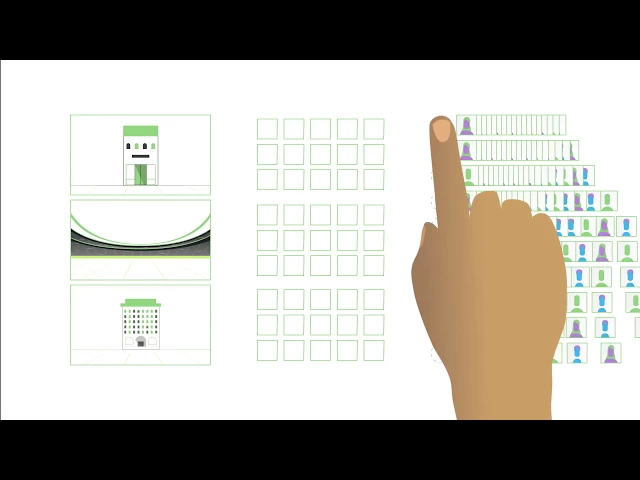
Shiftgig’s Motion Graphics Storytelling Video is a great example of how motion graphics can turn complex concepts into clear, appealing visuals. The consistent use of brand colours, flat icons, and smooth transitions enhances clarity, making the video feel modern and reliable.
3. Reducing Production Complexity
Producing a full-fledged 3D animation or a live-action video with actors and sets can be expensive. Motion graphics offer a budget-friendly alternative without compromising on quality or impact. They require fewer resources while delivering professional results.
4. Strengthening Brand Recognition
Motion graphics allow businesses to maintain a strong brand identity. Colours, typography, and design elements can be tailored to match your brand, creating a consistent and memorable visual experience.

One of the finest examples of motion graphics is Airbnb’s branding video. Through dynamic visuals, the video transforms the story behind its logo into a compelling narrative, creating an instant emotional connection with the audience. By integrating motion graphics with its signature design elements, Airbnb maintains a consistent and memorable brand identity. This video goes beyond aesthetics—it effectively conveys the brand’s essence while evoking a genuine response from viewers right from the start.
5. Adapting Across Multiple Platforms
From websites to social media, presentations to digital ads, motion graphics are versatile. They can be adapted for different screen sizes and platforms, ensuring a proper brand presence everywhere.
6. Improving Engagement and Retention
Motion graphics don’t just look good—they drive results. Studies show that animated content has higher engagement rates and better audience retention than static visuals. A good-looking motion graphic video can boost conversions and make your message more persuasive.
Use Cases of Motion Graphics in Business Videos
Motion graphics for business videos can be applied across different types of content, depending on what needs to be communicated and how the audience is expected to engage with it.
Explainer Videos: Motion graphics help break down complex products or services into visually engaging and easy-to-understand narratives. They make information more digestible, ensuring better audience retention.
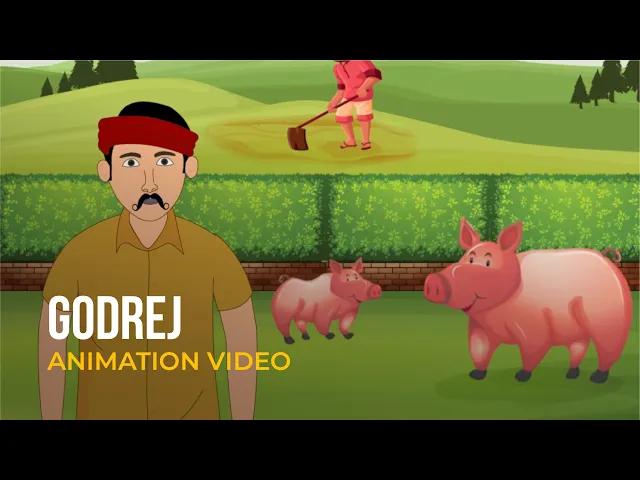
Take a look at this animation explainer video we did for Godrej. The video clearly explains how to identify fake Godrej pig feed products in the market.
Corporate Presentations: Instead of static slides, motion graphics bring reports, data, and company messages to life, making presentations more compelling. They enhance storytelling and improve audience engagement.
Social Media Ads: With short attention spans on social media, motion graphics create eye-catching, fast-paced content that instantly grabs viewers. Their dynamic nature makes them highly shareable and effective for brand promotion.
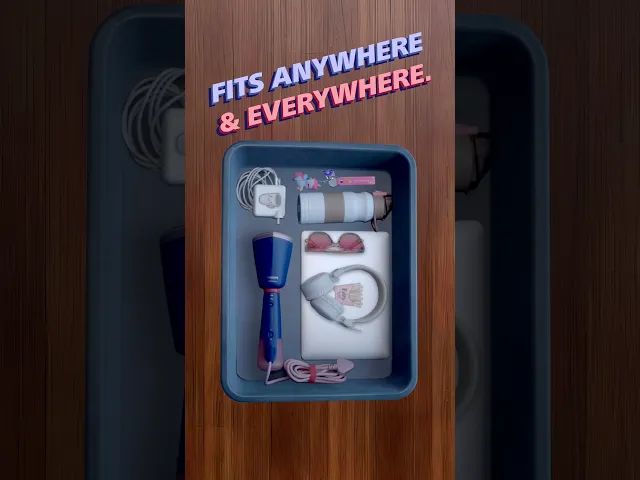
Take a look at this social media video we created for Philips, showcasing how the Philips Garment Steamer fits anywhere with ease. This social media animation video combines motion graphics, typography and product focused storytelling to create a visually engaging piece for digital platforms.
Product Demos: Motion graphics showcase product features in an interactive and visually appealing format. They highlight key functionalities, making it easier for potential customers to grasp the product’s benefits. This is why motion graphics in animated video production are widely used across product communication, marketing content, and business storytelling.
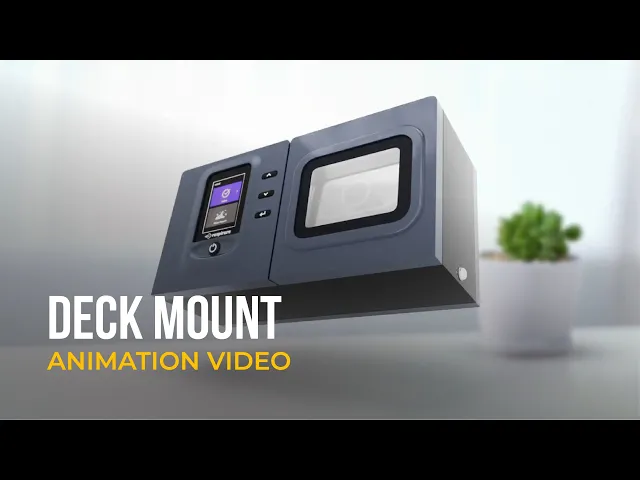
For Deck Mount, we produced a dynamic product video for its oxygen concentrator, showing its key features, unique selling points, and real-world applications. Motion graphics were used to enhance text overlays, animate the logo, and add subtle background effects.
Motion Graphics vs Full Animation vs Live Action
Choosing between motion graphics, full animation, and live action depends on the complexity of the message, the level of realism required, and how the content will be used.
Cost
Motion graphics are generally more efficient as they rely on design and animation rather than full-scale production setups. Full animation and live action typically require higher production effort and resources.
Use Case
Motion graphics work best when the focus is on explaining concepts, data, or workflows. Full animation is well-suited for storytelling and character-led narratives, while live action is effective when real people, environments, or product use need to be shown.
Flexibility
Motion graphics offer high flexibility, especially when changes are required. Updating text, visuals, or structure is easier compared to reshooting live action or reworking full animation sequences.
Speed
Motion graphics can be produced faster when the goal is to communicate information clearly. Live action involves shooting schedules and logistics, while full animation can take longer due to complexity in design and movement.
Choosing the Right Motion Graphics Production Partner
Investing in high-quality motion graphics video production requires the right expertise. A professional video production company understands how to blend design, animation, and storytelling to create impactful visuals. When choosing a partner, look for experience, creativity, and a strong portfolio of motion graphic projects.
Motion graphics make it easier for brands to get their messages across, grab attention, and leave a lasting impression. Be it an explainer video or a social media ad, the benefits of motion graphics are many—they simplify ideas, bring stories to life, and keep your audience hooked.
Looking for an animation video-making company to create high-quality motion graphics for your business? Let’s connect and create something memorable together!