
Animation in Advertising: Examples, Trends & Best Practices

In a crowded digital advertising landscape, an ad has only a few moments to communicate its message before someone scrolls past or clicks skip. Animation in advertising gives brands greater control over how they present a product, demonstrate its value, and capture attention across paid channels.
From short social media creatives to YouTube pre-rolls and display ads, animated video advertising can help businesses communicate complex propositions, test different creative approaches and adapt campaigns to different placements. The key is choosing the right animation style, message, and format for the campaign objective.
Let’s explore how brands can use animation in advertising and why working with a professional video production company could be one of your smartest marketing moves yet.
Why Animation Works in Today’s Ad Landscape
Paid advertising competes for attention across feeds, video platforms, and websites. An effective creative needs to communicate its message quickly, make the product or offer easy to understand, and give viewers a reason to take the next step. The benefits of animation in advertising become particularly relevant when brands need to explain a proposition, demonstrate a product, or develop multiple creatives for a campaign.
Grabs Attention Instantly
In paid social feeds, the opening frames can determine whether someone continues watching or scrolls past. Animated content pops. Unlike live-action, it can bend reality, use bold colours, and surprise the viewer from the first frame, perfect for standing out on cluttered platforms like Instagram, YouTube, and LinkedIn. Animation gives advertisers control over movement, visual transitions, pacing, and on-screen text, making it possible to introduce a product or key message immediately. For animated advertisements, the opening should establish what is being promoted and why it matters.
Simplifies Complex Ideas
When an advertisement needs to explain how a product works, animation can show the process rather than relying on lengthy explanations. Brands in healthcare, fintech and technology can use motion graphics, product visualisations and animated demonstrations to make features easier to follow. It turns abstract medical, scientific or fintech concepts into clear, visual stories.This is particularly useful in paid campaigns where viewers need to understand the product's value before deciding whether to click through.
Builds Brand Personality
Animated videos give you complete control over tone, style, and mood. Whether your brand is playful, premium, or purpose-driven, animation helps reflect that identity in a way that’s consistent and memorable. An advertising campaign may run across several audiences and placements, but its visual identity should remain recognisable. Animation allows brands to maintain consistent colours, typography, characters and visual treatments across different creatives. These elements can help establish brand recognition while allowing the message, product focus, and call to action to change between ads.

Boosts Engagement Across Channels
A single advertising concept may need different executions for Instagram Reels, YouTube, LinkedIn, and display placements. Animation allows brands to adapt the same core message into different aspect ratios, durations, and creative variations.
Animated content performs well on every platform, from Instagram reels and YouTube pre-roll ads to landing pages and emailers. The versatility of animated video production services means you can resize, repurpose, and reuse your videos without losing impact.

The Real Business Value of Animation
For paid campaigns, the value of animation depends on more than how an advertisement looks. The creative needs to communicate the offer, hold attention long enough to deliver the message, and support the action the campaign is designed to generate. Its contribution should be evaluated against the campaign objective and actual performance data.
Take a look at how animation drives serious ROI.
Higher Conversion Rates
An animated ad can help communicate a product's value proposition before directing viewers to a landing page, product page, or lead form. A concise demonstration, a clear explanation of the offer, and a relevant call to action can make the next step easier to understand. Whether this translates into more conversions depends on factors such as audience targeting, the offer, landing page experience and creative execution.
Advertisers can test different hooks, product demonstrations and calls to action to identify which versions generate better results. The aim is not simply to make an ad more visually appealing, but to understand which creative helps achieve the campaign objective.
Studies show that explainer videos on landing pages can increase conversions by up to 80%. Viewers are more likely to trust, understand, and act after watching a short, well-produced animation.
Improved Brand Recall
Recognition matters when audiences encounter a brand across multiple advertising placements. Consistent use of brand colours, typography, product visuals, and distinctive animation styles can help connect individual ads to the same brand. Repeated exposure to these elements across a campaign may reinforce recognition, particularly when the brand and its message are introduced clearly.
For advertisers, this means building brand identity into the creative itself rather than relying on a logo appearing only at the end.
According to Forbes, people retain 95% of a message when they watch it in a video compared to reading it. Animation enhances memory through visuals, movement, and emotion.
Better SEO Performance
Google loves video. Embedding an animated explainer video on your homepage or product page increases time-on-site and lowers bounce rates, both strong signals for SEO. For paid campaigns, animated videos offer the flexibility to try multiple creative variations and determine which message resonates with the target audience. These creative variations can be different opening hook, visual sequence, or CTA. Brands can compare these variations using metrics relevant to the campaign, including view-through rates, click-through rates, cost per lead, and conversions. The results can help guide subsequent creative decisions.
Many video production companies also optimize your videos for YouTube, the second-largest search engine in the world.
Popular Animation Formats That Work for Ads
Different advertising objectives call for different creative approaches. A product launch may need a detailed visual demonstration, while a short social ad may need a direct message and a strong opening. Choosing an animation format should depend on the product, audience, placement, and campaign objective.
Working with a skilled animation video production company can also help you choose the right format that best fits your campaign goals:
2D Animation
2D animation works well for brand storytelling, product explainers, and promotional campaigns that need a distinctive visual style. It can communicate product benefits through characters, illustrations, and simplified scenarios, making it suitable for animated advertisements across social media and video placements.
Motion Graphics
Motion graphics are useful when an ad needs to communicate features, statistics, product workflows, or software interfaces. They are particularly relevant to SaaS, technology, and financial services campaigns, where animated text, diagrams, and UI demonstrations can explain a proposition without requiring a live-action shoot.

Whiteboard Animation
Whiteboard animation videos are a popular choice for educational videos or thought-leadership content. It’s simple and effective for step-by-step explanations.

3D Animation
3D animation is useful for product advertising that benefits from detailed visualisation. Brands, particularly in automotive, real estate, and high-end product reveals, can use it to show product features, explore different angles, or demonstrate details that may be difficult to capture in a conventional shoot. The level of detail should serve the advertising message and justify the production effort.

When Should You Use Animation in Advertising?
Animation can serve different purposes across a paid campaign. The right approach depends on what the advertisement needs to communicate, the audience it needs to reach and the action it should encourage.
Here are some situations where animation can be particularly useful:
Launching a new product or service: Use animation to introduce a product, highlight its key features or communicate a launch offer. It can also help demonstrate a product before it is widely available for conventional filming.
Explaining how a product works: When a product has multiple features or a process that is difficult to demonstrate on camera, animation can break the explanation into clear visual steps.
Building awareness for a brand or issue: A distinctive animated concept can help communicate a message to a broader audience. The visual approach should support the message rather than distract from it.
Promoting B2B products and services: Animated ads can simplify software interfaces, business processes, and technical propositions for professional audiences. Motion graphics and product demonstrations are particularly useful when the audience needs to understand how a solution works.
Retargeting audiences: Different animated creatives can address different stages of the customer journey. An initial ad might introduce the product, while a follow-up could demonstrate a feature, answer a common question or present a relevant offer.
The choice of animation style, format and message should follow the campaign objective. A creative intended to generate awareness may need a different approach from one designed to drive website visits or qualified leads.
No matter the goal, a good animated video production company can tailor the style and script to hit the right message and emotional note.
Animation Trends in Advertising for 2026
Animation in digital marketing continues to evolve alongside changes in creative production, advertising platforms, and campaign testing. In 2026, marketers need to consider not only how an ad looks, but also how efficiently it can be adapted, tested and delivered across different placements.
AI-Assisted Creative Development
Generative AI is increasingly being used in advertising creative development, including the early visualisation of scripts, concepts and scenes. Kantar's research on creative development describes how AI-generated films are being used to visualise advertising ideas before teams commit to full production.
For animated advertising, this can help teams explore different visual directions and assess how a concept might work before production begins. Human review remains important for message accuracy, brand consistency, product details, and the quality of the final creative.
Creative Variations at Scale
Paid campaigns often require variations in messaging, product focus, audience relevance, and calls to action. Developing a system for adapting creative assets can help teams produce these versions more efficiently than treating every ad as a separate project.
For example, a product campaign might use one core concept with different opening hooks, feature demonstrations, or offers. Each version can then be evaluated against the campaign objective to understand which approach performs best.
The important shift is towards planning for variations during production rather than treating them as last-minute edits.
Animation Designed for Each Placement
An advertisement developed for a vertical social feed may not work equally well as a YouTube pre-roll or a LinkedIn video ad. The viewing context, available screen space, and time available to communicate the message differ.
Brands can plan animation around these differences from the beginning. This includes deciding where the product appears, how quickly the message is introduced, how text is positioned, and how the call to action fits into the sequence.
The result should be a family of related creatives that maintain a consistent message while respecting the requirements of each placement.
Product Visualisation Through 3D and CGI
3D animation and computer-generated imagery give brands greater control over how products are presented. They can be useful when a campaign needs to highlight product details, show different configurations or visualise features that are difficult to demonstrate in a conventional shoot.
For advertising teams, the practical consideration is whether the visualisation helps explain the product or strengthen the creative idea. Detailed animation is not automatically better than a simpler execution if both communicate the same message effectively.
More Structured Creative Testing
Creative testing is an important part of managing paid advertising. Instead of judging an animated ad only by its visual quality, teams can compare different versions against the campaign's intended outcome.
This may involve testing opening hooks, message order, product demonstrations, animation styles, or calls to action while keeping other variables as consistent as possible. Results should be assessed using the metrics relevant to the campaign, such as video retention, click-through rate, or qualified leads.
For brands, the takeaway is straightforward: animation production should account for how creative performance will be evaluated, not just how the final video will look.
Platform-Specific Animated Ad Specs and Performance
An animated ad needs to fit the placement in which it will appear. Aspect ratio, duration, text positioning, and file requirements can affect how a creative is displayed, while the campaign objective determines which performance metrics matter most.
Planning these requirements before production can reduce avoidable rework and help ensure that each creative is designed for its intended placement.
Instagram Reels Ads
Instagram Feed, Stories and Reels offer different viewing experiences, so a single export may not be suitable for every placement.
For full-screen vertical placements such as Reels, a 9:16 creative is a practical starting point. Keep important text, product details, and calls to action away from interface elements that may cover parts of the video. Introduce the main message early, use legible text, and ensure that the creative communicates clearly even when viewers do not immediately turn on the sound.
For Feed placements, consider whether a square, portrait, or vertical format is most appropriate for the intended delivery. The creative should be designed around the actual placement rather than simply cropped from a horizontal master.
Performance should be evaluated against the campaign objective. Awareness campaigns may focus on reach and video retention, while traffic or conversion campaigns may prioritise click-through rate, landing-page activity and conversions.
For current placement guidance, refer to Meta's official Reels advertising guide.
YouTube Pre-Roll Ads
YouTube pre-roll advertising includes different formats, so the creative should be planned around whether viewers can skip the ad and how the campaign is billed.
For skippable in-stream ads, viewers can skip after five seconds. Use the opening to establish the product, problem, or proposition before that point. The remainder of the video can provide additional context, demonstrate benefits, and introduce a clear call to action.
Non-skippable in-stream ads and bumper ads have different duration requirements. Google Ads specifies that bumper ads last six seconds, while skippable in-stream ads have no fixed maximum duration, with videos under three minutes recommended in Google's guidance.
For a short bumper ad, focus on one message rather than trying to fit an entire product explanation into a few seconds. Longer skippable ads can support a more developed demonstration, provided the core proposition is introduced early.
Choose performance metrics based on the format and campaign objective. These may include views, view rate, cost per view, reach, or conversions, depending on the campaign setup.
See Google Ads' official guide to video ad formats for the current requirements.
LinkedIn Video Ads
LinkedIn video ads are particularly relevant to B2B campaigns that need to explain a product, communicate a business proposition, or generate leads.
LinkedIn supports multiple aspect ratios, including 16:9, 1:1, 4:5, and 9:16. Its published specifications list MP4 as the supported video file type, a file size range of 75 KB to 500 MB, and a duration range of three seconds to 30 minutes. LinkedIn recommends 15 to 30 seconds for videos that need to qualify for a broad range of placements.
For advertising creatives, introduce the business proposition early and use motion graphics or product demonstrations to make the message easier to follow. Captions can help viewers understand the video when they are watching without sound.
For lead-generation campaigns, evaluate performance using metrics such as click-through rate, cost per lead, and lead quality. For awareness campaigns, reach and video engagement may be more relevant.
Check LinkedIn's official video ad specifications before finalising the export.
Display and Banner Ads
Display advertising uses a range of placements, including square formats, rectangles, leaderboards and skyscrapers. Animated banner creatives need to communicate their message within the limited space available.
Google Ads supports GIF, JPG, and PNG for uploaded image ads and lists a maximum file size of 150 KB for this format. Animated GIF ads must run for 30 seconds or less, stop after 30 seconds even if looping is enabled, and use a frame rate below five frames per second.
These requirements apply to the relevant uploaded image ad format. HTML5 display ads follow separate technical and eligibility requirements.
For animated banners, keep the sequence focused on one offer or message. Use readable text, make the product or brand identifiable, and ensure that the final frame communicates the intended action. Excessive movement can distract from the message rather than strengthen it.
Evaluate performance using metrics such as impressions, click-through rate, and conversions, depending on the campaign objective.
Refer to Google Ads' official uploaded display ad specifications for supported sizes and technical requirements.
Animated Ads in Email Campaigns
Animated content in email campaigns is different from a conventional video ad. A common approach is to use an animated GIF within the email, with a link directing recipients to a landing page or hosted video.
Use animation to highlight a product feature, demonstrate a short sequence, or draw attention to a promotional message. Keep the file size manageable and make sure the message remains clear on mobile screens.
Not every email client displays animated GIFs in the same way. Some show only the first frame, so the opening frame should communicate the essential information even when the animation does not play. Test the email across the clients and devices used by your audience before sending the campaign.
For performance measurement, track click-through rate and conversions alongside the email campaign's other relevant metrics. The purpose of the animation should be to support the message and encourage the intended action, not simply to add movement.
For compatibility considerations, see Mailchimp's guide to HTML email limitations.
The practical lesson across platforms is to establish the placement, dimensions, duration, message, and campaign objective before production begins. This makes it easier to develop the right master creative and identify which adaptations are needed for each placement.
A platform-ready creative is not simply a video exported in the correct dimensions. Its message, pacing, text placement, and call to action must also work within the viewing experience and the campaign's intended outcome.
Best Animated Ad Examples for Brands
From high-energy product videos to animations that simplify complex information, here’s how we use animation at IndieVisual to bring different products and their value propositions to life.
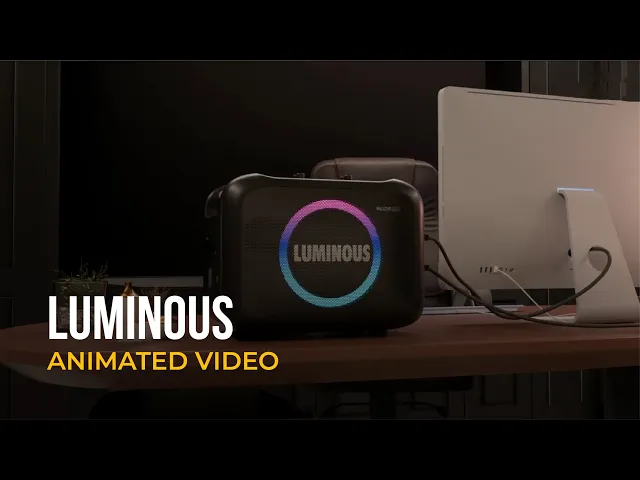
Luminous EdgeGo Portable Power Station and Speaker
An energetic product deserves an equally energetic video. We created an animation that reflects the power and personality of Luminous EdgeGo.
Godrej Agrovet
Animation videos are often used for creating awareness, explaining a product or service in a simple, understandable way for the viewers. We created an animated video for Godrej Agrovet to help farmers spot and distinguish the original Godrej Agrovet genuine products from fakes.

Deck Mount Nasal Mask
We created a concise product animation highlighting the design, comfort, and functionality of Deck Mount's Nasal Mask.

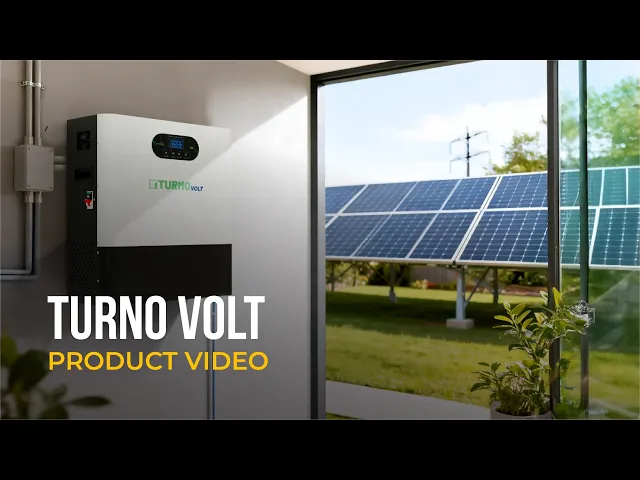
Turno Volt Intelligent Energy Storage System
An animated product video presenting Turno Volt's intelligent energy storage system and its proposition.
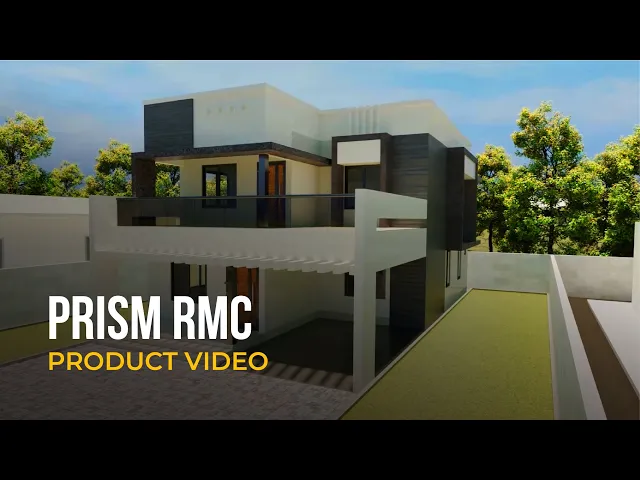
Prism RMC PrismSlabs
Our animated video for Prism RMC showcases PrismSlabs and how they can transform spaces.

Whether the goal is to capture attention, simplify a technical concept, or showcase a product's features, animation can adapt to the message a brand needs to communicate.
Choosing the Right Partner for Animated Video Production
Producing an animated advertisement involves more than developing the visuals. The message, format, duration, and call to action must work together to support the campaign objective. Choosing a production partner who understands these requirements can make the process more effective.
Here's what to look for:
Strategy-first approach: The production team should understand your campaign objective, target audience, product proposition, and intended action before developing the creative. These inputs determine the script, animation style, and message hierarchy.
End-to-end production: From scriptwriting and storyboarding to animation, sound and final exports, the production process should account for the assets required across your advertising placements. This helps establish what needs to be produced and which adaptations will be required.
Brand alignment: Your ads should remain recognisable across different campaign variations. Consistent use of brand assets, typography, colours and visual language helps maintain continuity even when the messaging changes.
Experience across industries: Different products require different approaches to advertising. A technology product may need a UI demonstration, while a consumer product may benefit from detailed visualisation. The production team should be able to translate the proposition into a creative approach suited to the product and audience.
At IndieVisual, we offer full-stack animated video production services for brands developing individual advertisements and larger campaigns. Our proprietary platform, Xped, supports the production process, helping teams manage video production across their requirements. Whether you need an animated product explainer or a series of advertising creatives, the approach should be aligned with your campaign goals and delivery requirements.
Final Thoughts: Animation is Advertising’s Superpower
Animation in advertising gives brands another way to communicate product benefits, develop distinctive campaign concepts, and adapt creative assets across paid channels. Its effectiveness, however, depends on how well the creative connects the message to the audience and the campaign objective.
From selecting the right animation format to adapting assets for different placements, every production decision should serve a clear purpose. Testing creative variations and evaluating results against the right metrics can help advertisers understand which approaches are working and where further improvements are needed.
Ready to bring your next ad campaign to life?
Partner with an animation video production company that understands the requirements of paid campaigns, from developing the creative concept to delivering assets suited to your advertising placements.