
Why Animated Video Production is a Cost-Effective Alternative to Live-Action Videos
Videos aren’t just a nice-to-have for your brand; they’re essential. But when you’re choosing between animation vs live action, video cost often becomes a key factor in decision-making. If you’ve ever looked into live-action production, you know how quickly the budget can spiral out of control—actors, crew, locations, equipment, post-production, and more. On the other hand, animated videos offer a budget-friendly alternative without compromising on quality or impact.
So, if you’re wondering why animated videos are cost effective, let’s break it down here for you.
Cost Breakdown: Live-Action vs. Animation
When comparing animation vs live action video production, the difference is not just in the final budget, but in how costs are distributed across production stages. Factors such as crew size, shoot logistics, equipment, revisions, production timelines, and creative complexity all influence the overall investment.
Live-action videos often involve multiple moving parts - locations, actors, lighting setups, permits, travel, scheduling coordination, and shoot-day dependencies. Animation, on the other hand, operates within a more controlled production environment, where costs are driven primarily by design, animation style, and execution complexity.
The table below gives a broader comparison of the production factors that typically impact cost and execution in both formats:
Factor | Animation | Live Action |
|---|---|---|
Cost Structure | Based on design, animation, and production time | Based on crew, location, equipment, and shoot days |
Production Complexity | Controlled, no physical dependencies | High dependency on logistics and coordination |
Revisions | Easier to update without reshoots | Requires reshoots, increasing cost |
Timeline | More predictable | Subject to delays caused by weather conditions, location availability, scheduling conflicts, or production logistics |
Live-Action Video Expenses:
Here are some typical expenses for a mid-range production:
Pre-production: Scriptwriting, storyboarding, casting (₹55,000 – ₹2,50,000)
Production: Crew, equipment, location, props, actors, makeup, costume, (₹4,50,000 – ₹15,00,000)
Post-production: Editing, colour correction, sound design (₹40,000 – ₹2,50,000)
Total Estimated Cost for a 45-Second Live-Action Video: ₹5,45,000 – ₹20,00,000
Animated Video Expenses:
To understand the animated video production cost, it’s important to break down how different styles and stages contribute to the overall budget.
Motion Graphics Video Pre-production: Scriptwriting, layout design, and concept development (₹10,000 – ₹30,000)
Production: Layout creation, background design, and illustrations (₹1,00,000-3,00,000)
Post-production: Voiceover, sound design, and final rendering (₹35,000 – ₹50,000)
Total Estimated Cost for One 45-Second Motion Graphics Video: ₹1,45,000 – ₹3,80,000
(These are very generic figures – the specifics will depend on the project)
2D Animation Pre-production: Scriptwriting, storyboarding, and design (₹15,000 – ₹20,000)
Production: Layouts, background design, motion graphics (approx. 40% of content), character design, illustrations, and animation (₹1,50,000)
Post-production: Voiceover, sound design, and final 2D rendering (₹40,000 – ₹50,000)
Total Estimated Cost for One 45-Second 2D Animated Video: ₹2,05,000 – ₹2,20,000
3D Animation Pre-production: Scriptwriting, storyboarding, and design (₹30,000 – ₹40,000)
Production: Modeling, texturing, lighting, set designing, motion graphics (approx. 40% of content), camera movement, and animation (₹2,00,000)
Post-production: Voiceover, sound design, and final 3D rendering (₹50,000 – ₹60,000)
Total Estimated Cost for One 45-Second 3D Animated Video: ₹2,80,000 – ₹3,00,000 Clearly, animated videos offer a significant cost advantage. But it’s not just about cost—it’s also about efficiency, flexibility, and creative freedom.
Is Animation Cheaper Than Live Action?
The question is not just whether animation is cheaper, but where costs are incurred in each format.
In live-action production, costs extend beyond visible elements. Along with actors, crew, and equipment, there are additional expenses such as location permits, travel, set design, scheduling delays, and reshoots. These variables often increase the overall cost unpredictably.
Animation, on the other hand, operates within a controlled environment. While there are costs involved in design, animation, and rendering, there are fewer external dependencies. This makes the process more predictable and easier to manage from a budget perspective.
In most cases, animation becomes a more efficient option when the focus is on explaining ideas, showcasing products, or creating repeatable content without the need for physical production setups.
Why Animated Videos Can be Simpler to Produce
1. No Location, Equipment, or Crew Costs
Shooting a live-action video means dealing with location rentals, camera setups, lighting, sound equipment, and a production crew. Even a simple one-day shoot can cost lakhs. With animation, you eliminate these expenses. Your “set” is digital, and you don’t need to pay for travel, permits, or last-minute location changes.
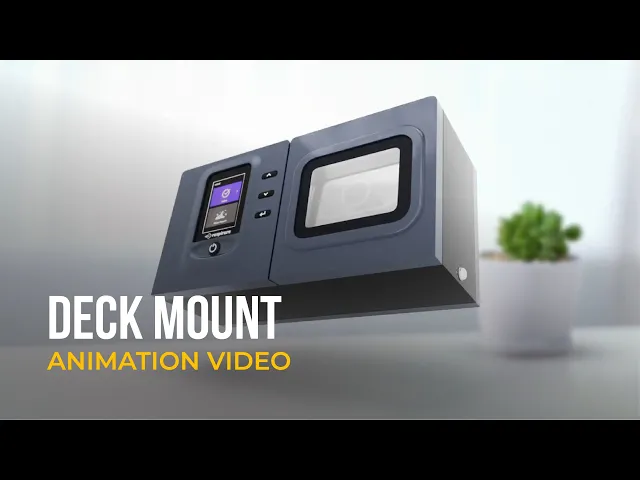
We made this animated video for Deckmount to showcase the features of its oxygen concentrator. A live-action shoot would require actors, location setups, and on-site filming. In animation, we bring the concept to life —no shoots, no logistics, just pure creativity.
2. Unlimited Creative Freedom at No Extra Cost
In live-action videos, the more ambitious your idea, the more expensive and complicated it gets. Want a talking animal or a scene set in space? That means CGI, special effects, and a hefty production budget. But with animation, you can bring any concept to life—no limits, no extra costs.
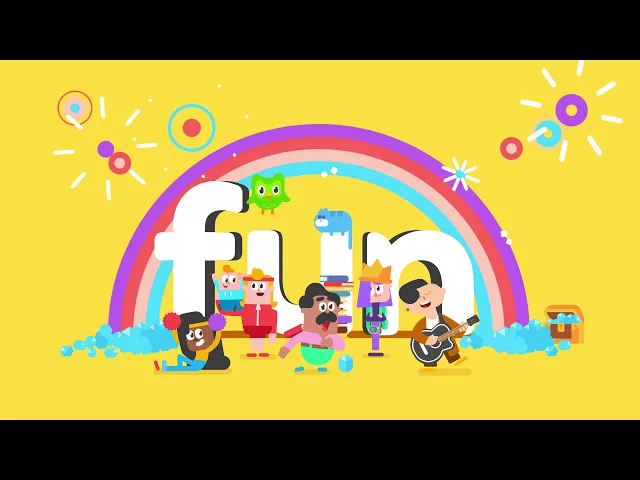
Take Duolingo’s animated ads, for example. Their quirky, expressive owl mascot interacts with users in fun and exaggerated ways that would be nearly impossible (or extremely costly) to replicate with live-action. Animation gives brands the freedom to be creative without worrying about production constraints.
3. Easy Revisions, No Costly Reshoots
Live-action shoots don’t always go as planned. A scene might need retakes due to bad lighting, background noise, or an actor’s mistake. Reshoots mean extra costs. With animation, revisions are simpler and cheaper—adjustments can be made without scheduling another shoot. Keep in mind rendering time though – every single adjustment means the whole section/scene needs to be re-rendered, so make sure you’ve accounted for that.
Long-Term ROI of Animated Videos
The value of animation extends beyond initial production. A single animated video can be adapted for Instagram reels, YouTube shorts, website banners, and even presentations, saving costs on future content creation.
Since the assets are created digitally, they can be reused, updated, or adapted without starting from scratch. This reduces the cost of producing new content over time.
For businesses creating ongoing content, this makes animation a more scalable investment compared to formats that require repeated production efforts.
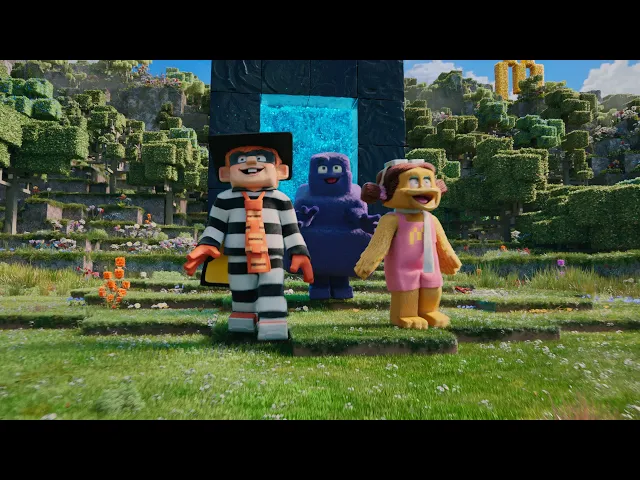
Example: McDonald repurposes its animated videos into social media snippets, making the most of its content investment.
How to Maximize Cost Efficiency in Animated Video Production
Setting the right budget for animated video production depends on the style, complexity, and level of detail required in the final output.
1. Choose the Right Animation Style for Your Budget
Not all animations are created equal—different styles serve different purposes and come with varying price tags.
Here’s a closer look at the main types of animation and how they fit into different budgets:
Motion Graphics (₹1,45,000 – ₹1,55,000 for one 45-second motion graphics video)
Best for: Corporate videos, product explainers, data visualization. Motion graphics use simple shapes, icons, and text animations to make information easy to understand. They’re commonly used in product videos, business presentations, app tutorials, and financial reports. This style is budget-friendly since it doesn’t require character animation or complex storytelling.

Check out this motion graphics video with clean, compelling visuals that explain Blockdaemon’s blockchain platform in a simple, engaging way.
2D Animation (₹2,05,000 – ₹2,20,000 for one 45-second 2D animation video) Best for: Brand storytelling, marketing campaigns, and educational videos.
2D animation brings stories to life with characters, dynamic visuals, and engaging narratives. It’s a popular choice for commercials, social media ads, and training videos. It offers a great balance between cost and creativity—more engaging than motion graphics but still affordable compared to 3D animation.
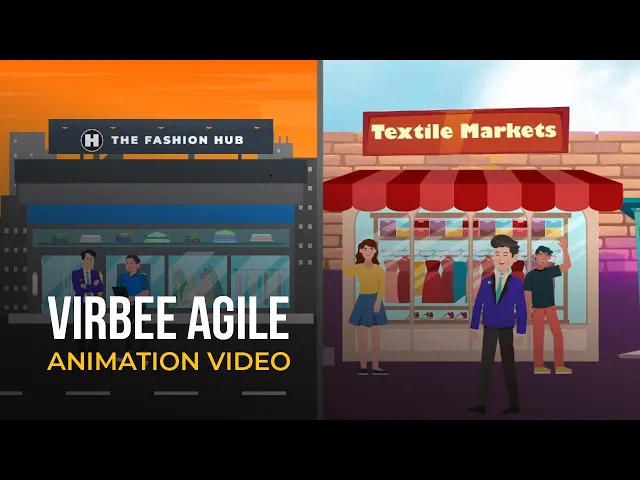
Take a look at this animated video we created for Virbee Agile, showcasing how its app works.
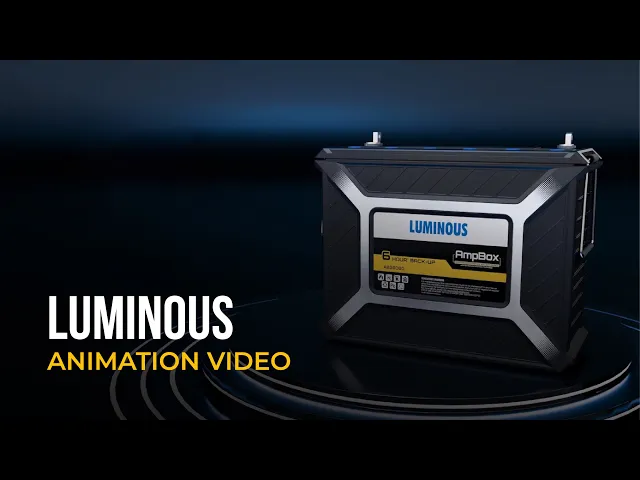
3D Animation (₹2,80,000 – ₹3,00,000 for one 45-second 3D animation video) Best for: Product visualization, high-end commercials, and real estate walkthroughs. 3D animation adds depth and realism, making it perfect for showcasing products in detail or creating immersive brand experiences. However, it requires advanced software and skilled animators, making it the most expensive option.
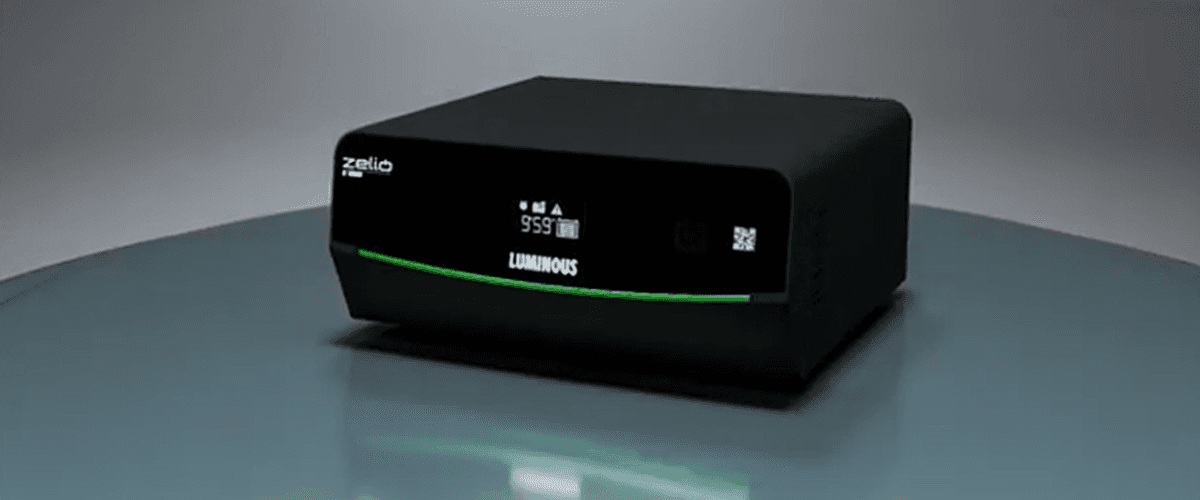
Check out this 3D animated product video we created for Luminous to showcase its inverter, AmpBox, with stunning detail and clarity.
2. Work with a Professional Production Company
A reliable video production company will streamline the process, preventing costly revisions and ensuring high-quality output. Look for a video production company experienced in brand storytelling, scriptwriting, and animation.
3. Use Templates for Budget-Friendly Animation
Not every video needs custom animation. Tools like Vyond and After Effects templates help create professional videos without huge budgets. For brands looking for quick-turnaround content, template-based animation can be a great cost-saving option.
Animation vs Live-Action: Pros and Cons
Understanding animation vs live action pros and cons helps in choosing the right format based on your objective.
Animation – Pros
Easier to control and execute
No dependency on locations or physical setups
Flexible for revisions and updates
Animation – Cons
Requires time for design and rendering
Complex animation styles can increase cost
Live Action – Pros
Stronger human connection and realism
Effective for showcasing real environments and people
Live Action – Cons
Higher production costs
Limited flexibility once the shoot is completed
Reshoots increase timelines and budgets
Animated videos aren’t just a cheaper alternative to live-action—they’re flexible, engaging, and cost-efficient in the long run. No matter the size of your business—startup, mid-sized, or enterprise - investing in an animation video making company can help you tell powerful stories without burning a hole in your pocket.
Thinking of creating an animated video for your brand? Let’s make it happen! Contact us today for a consultation.